7 Surprising Lessons from 100+ Restaurant Owners
Key Takeaway
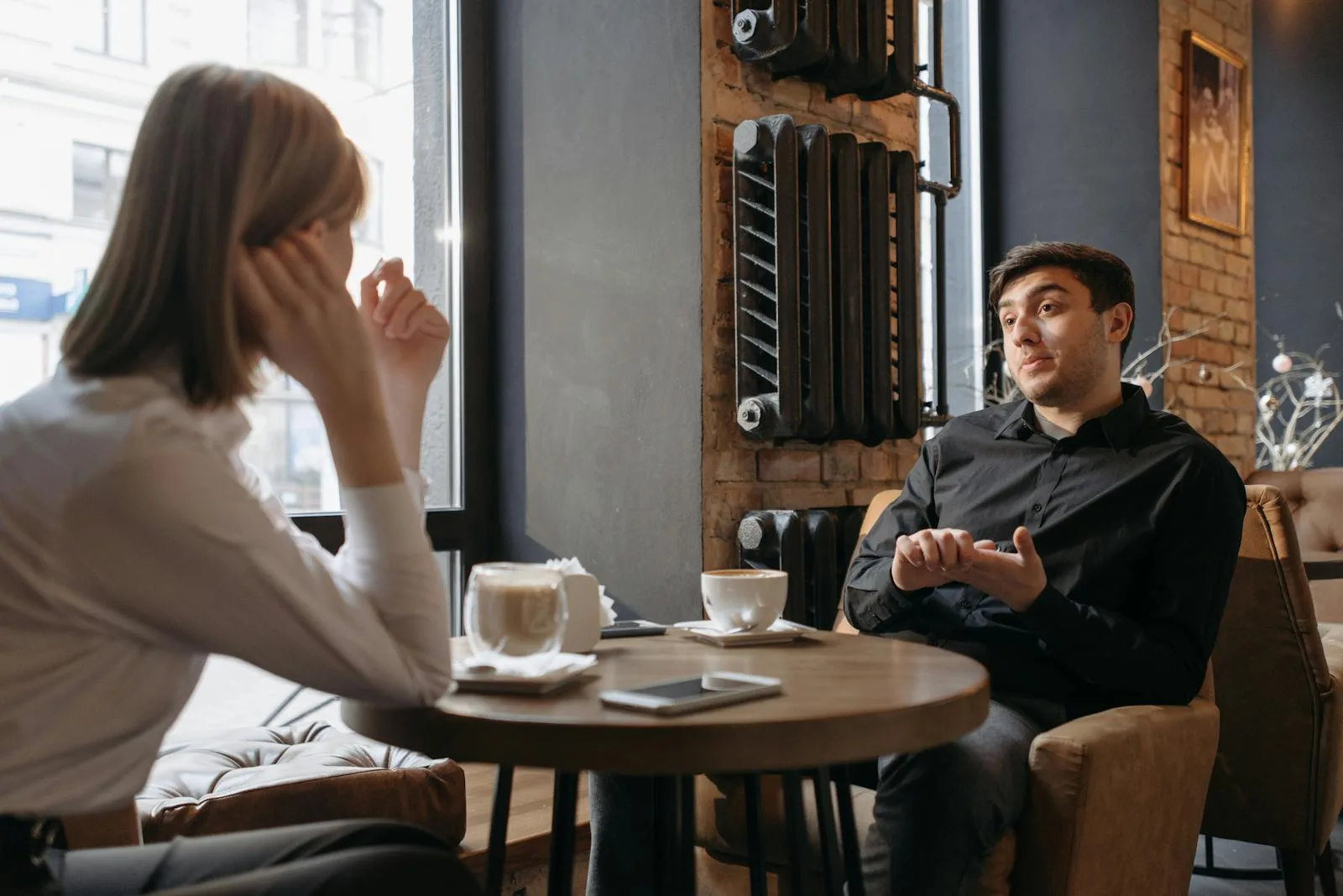
After 100+ conversations with restaurant operators in Dubai, NYC, and London, these seven lessons contradicted my assumptions about restaurant tech.
TL;DR: Quick Answer
Over the past year I've had 100+ conversations with restaurant operators across Dubai, NYC, London, and dozens of cities in between. Most of what I assumed when I started building Menujo turned out to be wrong. Operators do not optimize for the things I expected (price, features, integration depth); they optimize for things I underweighted (reliability, simplicity, staff training time, customer recognition, the ability to update one item without breaking five others). This post collects the seven lessons that surprised me most. They are useful for anyone building restaurant software, anyone running a restaurant, or anyone trying to understand how operators actually decide.
Lesson 1: Operators Don't Research Platforms; They Ask Their Friends
I assumed restaurant owners would Google "best digital menu platform 2026" and read 5-10 articles before deciding. I was wrong. The dominant decision pattern is: ask the friend whose café you visit, see what they're using, copy that.
This has implications. The platform-comparison content I write helps a small minority of operators who actually research. The bigger lever is making the platform visible to other operators in the same market. When a Jordanian restaurant uses Menujo, neighboring restaurants notice. The QR code at the table is the marketing. Each restaurant becomes a referral surface to others.
I underweighted this. I overweighted SEO and content marketing. SEO matters, but operator-to-operator referral is the larger growth channel, and it's one I can't directly engineer; I can only build a product so good that operators are willing to recommend it without being asked.
Lesson 2: Reliability Beats Features
Operators don't want more features. They want the platform to not break. A menu that loads slowly during the dinner rush is a worse customer experience than no digital menu at all. A menu that displays last week's prices because the cache didn't invalidate is a 1-star review waiting to happen.
I've had operators tell me, multiple times, "your competitor has X feature but their platform breaks twice a week. We're using yours because we don't worry about it." Reliability (a menu that stays up through service, fast loads on 4G, price updates that show up right away) is the most important feature, period. Most platform developers underestimate this because we focus on features we can demo, not on the boring infrastructure that prevents service interruptions.
Lesson 3: The Owner Has Dozens of Other Things to Worry About
I assumed the digital menu was a high-priority decision. It's not. It's far down the list for the typical independent restaurant owner, behind: payroll, supplier disputes, equipment maintenance, staff training, food cost, marketing budget, lease negotiations, health inspections, customer complaints, employee turnover, cash flow, and many other things I learned about by listening.
This means the platform must be setup-able in 15 minutes, not 4 hours. It must require zero ongoing maintenance once configured. It must not need a developer or marketing intern to use. The standard for "good enough" is whatever is fast enough that the operator doesn't resent the time spent on it.
I rebuilt the menu setup wizard more than once to hit this benchmark. Onboarding for a first menu, including QR generation, now takes minutes, not hours. That's the bar.
Lesson 4: Photos Sell More Than Words
DoorDash's own merchant data says menus with item photos get up to 44% more monthly sales on its platform. I knew this. I still underestimated it. Operators rebuild their entire menu UI strategy around photo placement. They re-shoot dishes, hire food photographers, prioritize photo-rich items in the menu's top section.
The platform now ships with: automatic image optimization (compression and format conversion), lazy-loaded thumbnails for fast initial paint, a photo-detail modal with tap-to-zoom, and a free batch image optimizer for prepping photos before upload. The menu design guide on this blog covers photography for restaurant owners (not photographers). Photos are not a feature; they're the conversion mechanism. Treat them as central to the product.
Lesson 5: Multilingual Is A Survival Feature, Not A Premium
For tourist-zone restaurants (Bali, Cancún, Dubai, Barcelona, Bangkok), multilingual menus aren't a nice-to-have. They are the difference between staying open and closing. For example, a restaurant that loses 30% of potential customers because they can't read the menu loses 30% of revenue.
Menujo does not translate menus or provide a guest language switcher. Operators write and publish a separate menu for each language. Free includes one menu; Pro at $7/month or $70/year supports up to 10 menus. Use a translator or a native speaker to review dish names and allergens before publishing.
Lesson 6: The Customer Is Not The Buyer
This was the most counterintuitive lesson. The diner uses the menu but doesn't pay for the platform. The operator pays. So who are we building for?
I assumed the answer was "both, equally." The truth is more nuanced. The diner's experience must be flawless (they're the unforgiving end-user), but the operator's experience determines whether the platform is selected, retained, and recommended. So the prioritization order is:
- Diner experience must not break (load fast, work on every device, no friction)
- Operator experience must be lovable (fast setup, intuitive admin, no surprises)
- Operator economics must be sustainable (cost lower than the value they extract)
If diner experience breaks, operators churn. If operator experience is painful, they don't adopt. If economics don't work, they cancel. All three matter. But operator-side experience is what drives growth, and most platforms underinvest in admin UX because they think the diner-facing menu is "the product."
Lesson 7: Honesty Is A Competitive Moat
I expected operators to react to comparison pages with skepticism ("they're going to claim they're the best, just like everyone else"). The opposite happened. Operators noticed when I named features where competitors win, and the platform earned trust faster.
This makes sense in retrospect. Most platform marketing is so over-promised that operators have built mental filters: discount everything by 50%, assume hidden costs, expect the trial to lock you in. A platform that publishes "here's when MenuTiger is the right answer for you" or "don't use Menujo if you need built-in ordering" cuts through that filter. The operator stops mentally deflating the claims because they're already deflated.
Comparison pages on this site name competitor wins and say when Menujo is the wrong choice. The /compare hub features competitors prominently. This isn't altruism: it's the most effective way I've found to earn trust at internet scale where direct relationships aren't possible.
What I Got Right (Briefly)
Three things I assumed correctly:
- Free plan as a real product, not a trial. Operators who use the free plan show it to other operators, so it doubles as the referral surface described in Lesson 1.
- Phone-first design, not tablet. Most diners open the menu on their own phones, not on venue tablets. Building tablet-first would have been an expensive mistake.
- Founder-led editorial. Writing comparison pages personally, not outsourcing them, builds an editorial voice that's hard to fake. Operators feel the difference.
What I'm Doing Differently in Year Two
The next year of the platform is being shaped by these conversations:
- Invest in reliability over features. Fewer outages, faster loads on 4G, instant updates. No new features will ship if they could affect reliability negatively.
- Build for the low-priority moment. Setup must be 5 minutes for the next major feature. Anything that adds 30+ seconds to onboarding gets cut.
- Make multilingual menus easier. Menujo does not translate menus today; operators publish one menu per language. Machine translation gets dish names and allergens wrong often enough that I would rather make the per-language workflow faster than bolt on auto-translate.
- Measure E-E-A-T. The honesty-as-moat learning means I should keep doubling down on founder-written, opinion-driven content. Generic SEO content gets ignored; opinion-driven content gets cited.
Closing Note
Most of what I learned about restaurant tech in 2025-2026, I learned from listening to operators, not from reading reports. If you're running a restaurant and reading this, I'd genuinely love to hear from you. support@menujo.com. The next year of the platform will be built around what operators tell us they need.
If you're building a product in this space, the lessons above probably apply to you. The biggest one: your assumptions about what operators want are mostly wrong; the only way to fix this is to talk to them. Spreadsheet research and competitor analysis don't reveal what 30 minutes on a Zoom call with a single café owner reveals.